
How to Quit Weed: Withdrawal, Cravings and What Actually Helps
By the NuLife Team · Reviewed by a certified specialist · Last updated November 2026
Short answer: You can quit weed, and you don’t have to do it alone. About half of people who use cannabis regularly get withdrawal when they stop. It usually starts within 1 to 3 days, is worst in the first week, and mostly eases within 1 to 2 weeks, though sleep can take longer to settle. A plan for your triggers, a good sleep routine and real support make the biggest difference.
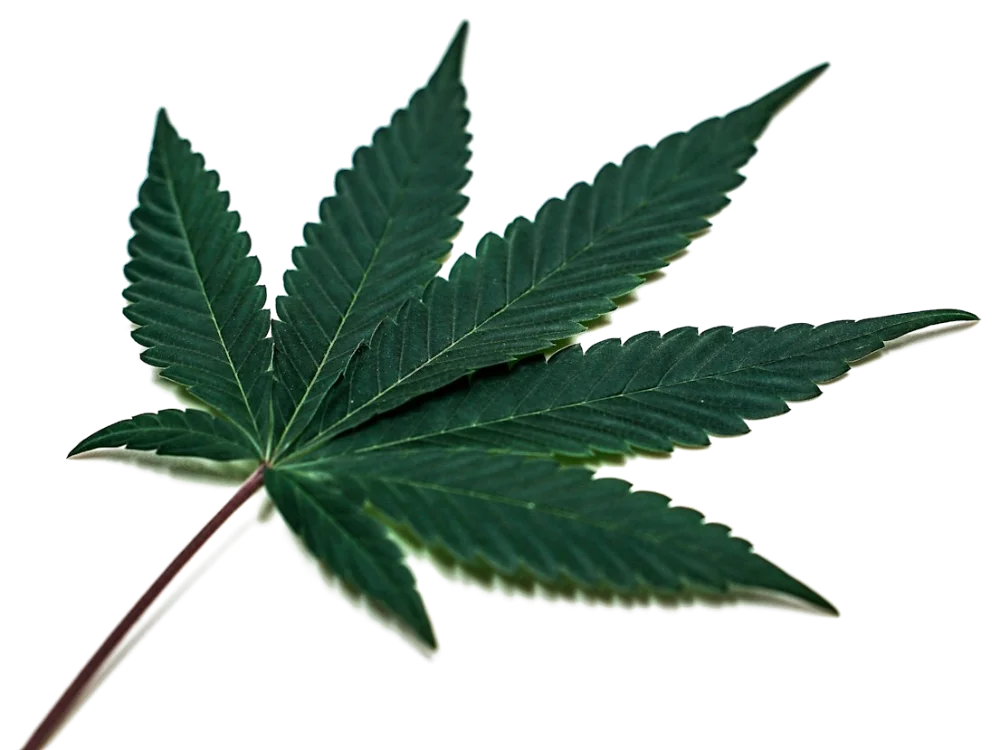
Cannabis is legal, it’s everywhere, and for a lot of people it starts as a way to relax or sleep. Then it becomes every day. If you’ve tried to stop and found yourself rolling one again a few days later, you’re not weak. Your brain got used to it, and it needs time and the right support to adjust.
Ready to quit weed?
We’ll talk about your cannabis use and your goals, and see if our program is a good fit.
Free 15-minute phone assessment · No referral needed
Weed Withdrawal Symptoms
Withdrawal is most common in people who used daily or near-daily for months. A large 2020 review found that about 47% of regular users had withdrawal when they quit. Common symptoms:
- Irritability, anger or a short fuse
- Anxiety or feeling on edge
- Trouble sleeping and vivid or strange dreams
- Low appetite or weight loss
- Restlessness
- Feeling low or down
- Headaches, sweating, chills, shakiness or an upset stomach
Weed Withdrawal Timeline
| When | What you may feel |
|---|---|
| Days 1 to 3 | Irritability, cravings and trouble sleeping usually start. |
| Days 3 to 7 | Usually the hardest stretch. Mood, sleep and appetite can be off. |
| Week 2 | Most symptoms ease off for most people. |
| Weeks 3 to 4 and beyond | Sleep and strange dreams can take longer to settle. Cravings show up mainly around old habits. |
Everyone is different. How much and how long you used changes how strong withdrawal feels.
How to Quit Weed: 8 Steps That Help
- Decide your goal. Quit completely or cut back to a set limit. Be clear with yourself.
- Pick a quit date. Choose a calmer week, not right before exams or a big deadline.
- Clear it out. Get rid of your stash, grinder, vape and papers.
- Know your triggers. Boredom, stress, certain friends, after work, before bed. Plan something else for each one.
- Protect your sleep. Same bedtime, no screens late, less caffeine after noon. Expect a few rough nights and don’t panic.
- Move every day. A walk, the gym or sports helps with anxiety, sleep and cravings.
- Tell someone. Let a friend or family member know, and ask them not to use around you for a while.
- Get support. Quitting with help works better than willpower alone.
How NuLife Helps You Quit Weed
At NuLife we combine traditional acupuncture technique with low-level laser therapy (photobiomodulation). A painless low-level laser is applied to specific points, with no needles and no drugs, and it helps your body release endorphins, natural chemicals that ease cravings, withdrawal and stress. It’s combined with one-on-one counselling, and the device we use is FDA cleared and Health Canada approved.
How the options compare:
| NuLife Laser Program | Quitting on your own | Counselling alone | Inpatient rehab | |
|---|---|---|---|---|
| Drug-free | ✓ | ✓ | ✓ | Varies |
| Help with cravings & withdrawal | ✓ | ✕ | Partial | ✓ |
| One-on-one support | ✓ | ✕ | ✓ | ✓ |
| Keep working and living at home | ✓ | ✓ | ✓ | ✕ |
| Personalized treatment plan | ✓ | ✕ | ✓ | ✓ |
“I never thought I could break free from addiction, but their personalized approach and cutting-edge technology have made it possible. Trust me, it works!”
Ali B.
Learn more about our Substance Use Program, or call us for a free 15-minute phone assessment. No referral needed.
Ready to quit weed?
We’ll talk about your cannabis use and your goals, and see if our program is a good fit.
Free 15-minute phone assessment · No referral needed
For Parents: If Your Teen Is Using Weed
- Stay calm and curious. Ask what they like about it before you lecture.
- Talk about sleep, school, mood and money, the things they already care about.
- Set clear rules and follow through, and keep the door open.
- If they want to stop, help them make a plan and get support together.
When to Get More Help
- You feel very low, hopeless or your anxiety is getting worse
- You see or hear things that aren’t there, or feel paranoid
- You’re also using alcohol or other drugs to cope
Talk to your doctor, call 811 for free health advice, or call ConnexOntario at 1-866-531-2600 for free help finding addiction services in Ontario. In an emergency, call 911.
Frequently Asked Questions
How long does weed withdrawal last?
Symptoms usually start within 1 to 3 days, are worst in the first week and mostly ease within 1 to 2 weeks. Sleep problems can last longer for some people.
Can you really get withdrawal from weed?
Yes. About half of people who use cannabis regularly get withdrawal when they stop. It’s real and it’s common, but it passes.
Why can’t I sleep after quitting weed?
Your brain is used to cannabis helping you fall asleep, so it needs time to readjust. Vivid dreams and broken sleep are common for the first few weeks.
Is vaping weed easier to quit?
Not usually. Vapes and concentrates can be stronger than flower, so withdrawal can feel just as strong or stronger.
Should I cut back or quit completely?
Both can work. If cutting back keeps sliding back to daily use, quitting completely for a while is often easier.
Can laser therapy help with weed cravings?
Our drug-free program is designed to help reduce cravings, withdrawal and stress while you change your habits, together with one-on-one counselling. Call us and we’ll see if it’s a good fit.
We have clinics in Toronto, North York, Etobicoke, Vaughan, Woodbridge and Oakville.