
How to Quit Vaping: What Actually Works (and What to Expect)
By the NuLife Smoking Cessation Team · Reviewed by a certified smoking cessation specialist · Last updated November 2026
Short answer: Most people quit vaping by picking a quit date, knowing their triggers, having a plan for cravings and getting support. Cravings are strongest in the first few days and ease over the following weeks. Free quitlines and apps help, and so do treatment options like nicotine replacement, prescription medication from your doctor, or a program that combines low-level laser therapy with counselling.
Why vaping is so hard to quit
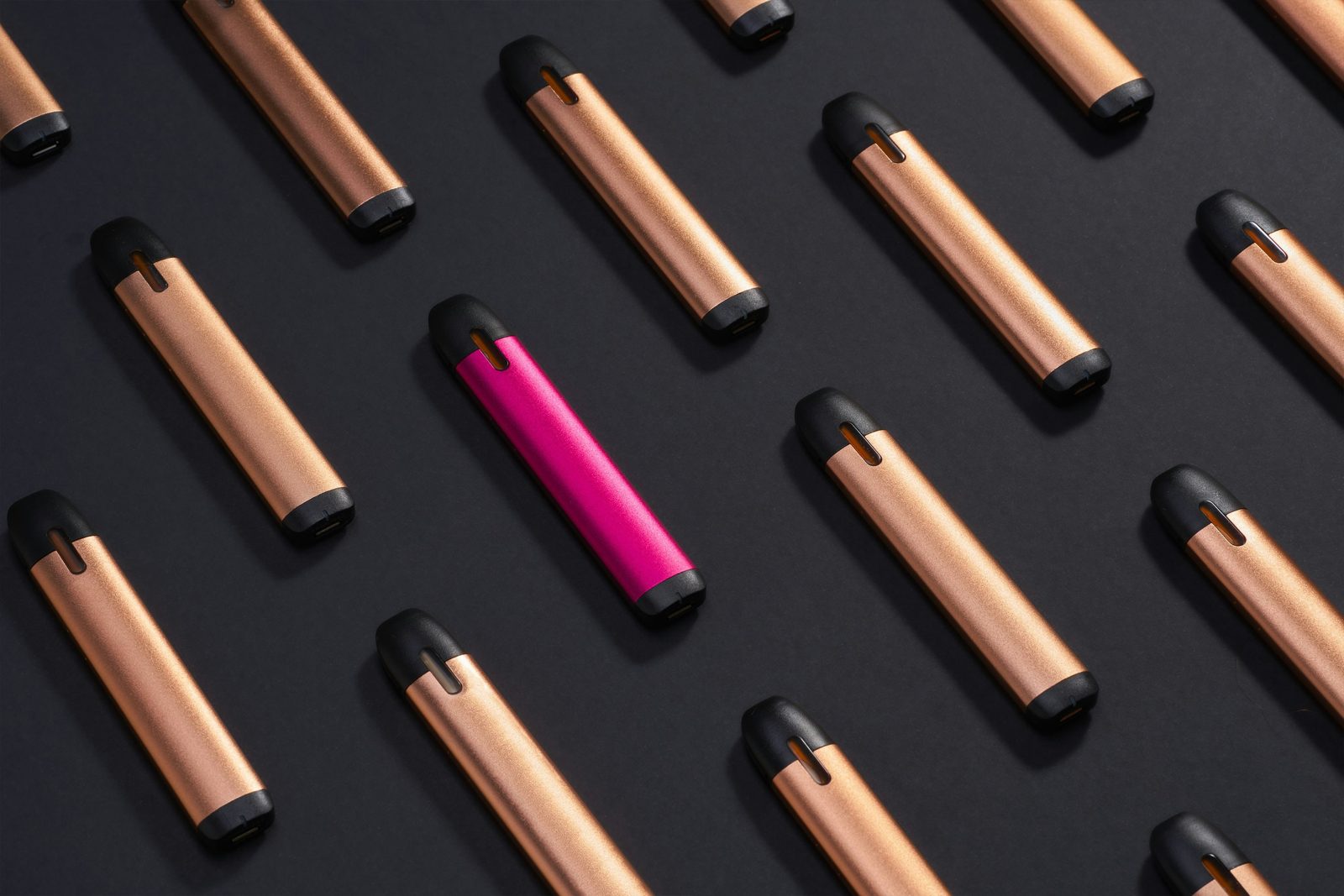
Vapes deliver nicotine fast, and many of today’s pods and disposables use nicotine salts, which let you take in a lot of nicotine without the harshness of a cigarette. Because a vape is quiet, smoke-free and always in your pocket, it’s easy to use all day long, at your desk, in the car or in bed.
That means two habits build at the same time: your body gets used to a steady supply of nicotine, and your brain links vaping to everyday moments like coffee, stress, breaks and boredom. Quitting works best when you deal with both.
Vaping Withdrawal Symptoms and Timeline
Common vaping withdrawal symptoms include cravings, irritability, anxiety, restlessness, trouble sleeping, headaches, trouble focusing and feeling hungrier than usual. Everyone is different, but here’s the usual timeline:
- First 1–3 days: cravings are strongest. Irritability, restlessness and trouble focusing are common.
- First 1–2 weeks: sleep and mood can be up and down. Cravings start to come less often.
- Weeks 2–4: physical withdrawal usually eases. Most cravings now come from triggers, not your body.
- After a month and beyond: occasional cravings can still show up in old routines, which is why having a plan matters.
These feelings are temporary and a sign your body is adjusting. Health Canada’s Quit Vaping page has more tips for handling cravings and withdrawal.
The Best Way to Quit Vaping: 7 Steps
- Pick your quit date. Choose a day in the next two weeks and put it in your calendar.
- Know your triggers. For a few days, notice when you reach for your vape: morning coffee, driving, stress, breaks, drinking or boredom.
- Decide: cold turkey or cut down first. Some people stop all at once. Others lower their nicotine strength or set vape-free times first. Either can work; what matters is having a plan.
- Get rid of your vapes and pods. Don’t keep a “backup” in your bag or car.
- Plan for cravings. Most cravings pass in a few minutes. Delay, take a few deep breaths, drink water and do something with your hands until it passes.
- Get support. Tell friends and family, use a free quitline (1-866-366-3667) or Health Canada’s Quash app, or work with a cessation specialist.
- Look at treatment options. Nicotine replacement, prescription medication from your doctor, or a drug-free program like laser therapy with counselling can make cravings easier to manage.
Want help with your quit plan?
We’ll talk about your vaping habit and your goals, and see if our program is a good fit.
Free 15-minute phone assessment
What Happens to Your Body When You Quit Vaping
- Breathing: many people notice less coughing and easier breathing within weeks.
- Taste and smell: often improve within days.
- Sleep and mood: settle once withdrawal passes, and many people feel calmer without the constant nicotine ups and downs.
- Energy: no more nicotine highs and crashes during the day.
- Money: pods and disposables add up fast. Health Canada has a cost calculator on its Quit Vaping page.
Ways to Quit Vaping: How NuLife Compares
Not sure which is the best way to quit vaping? Here’s how the most common options stack up.
| NuLife Laser Program | Cold turkey | Nicotine replacement (patch, gum) | Prescription pills | Hypnosis | |
|---|---|---|---|---|---|
| Nicotine-free | ✓ | ✓ | ✕ | ✓ | ✓ |
| Drug-free | ✓ | ✓ | ✕ | ✕ | ✓ |
| Medication side effects | None | None | Possible | Possible | None |
| Help with cravings & withdrawal | ✓ | ✕ | Partial | Partial | Varies |
| Personalized treatment plan | ✓ | ✕ | ✕ | ✕ | Varies |
| Stress & anxiety support | ✓ | ✕ | ✕ | ✕ | Partial |
| One-on-one support built in | ✓ | ✕ | ✕ | ✕ | Varies |
| Relapse prevention support | ✓ | ✕ | ✕ | ✕ | Varies |
Medication can help, but it can also come with side effects. Nicotine patches can cause skin irritation and sleep problems, and prescription quit-smoking pills can cause nausea, trouble sleeping and unusual dreams. Always talk to your doctor or pharmacist before starting any medication. Quitlines and apps are free and can be added to any option.
Can laser therapy help you quit vaping?
Vaping and smoking are both nicotine addictions, so the same approach applies. At NuLife we combine traditional acupuncture technique with low-level laser therapy (photobiomodulation). A painless low-level laser is applied to specific points, with no needles and no drugs, and it helps your body release endorphins, natural chemicals that ease cravings, withdrawal and stress. It’s combined with one-on-one counselling, and the device we use is FDA cleared and Health Canada approved.
The laser is only part of it. Every program includes an assessment, one-on-one counselling and a plan for your triggers, because that’s what helps the change last. You can read more about the research in Does Laser Therapy to Quit Smoking Work? and how it compares to other methods in Laser vs. Patches, Champix and Hypnosis.
Learn more about our Laser Quit Smoking & Vaping Program, available at our 6 clinics in Toronto, North York, Etobicoke, Vaughan, Woodbridge and Oakville.
Helping a teen quit vaping
If you’re a parent, start with a calm conversation, not a lecture. Ask what they like about vaping and what they don’t, and help them make their own plan. Health Canada has a guide written for teens: Are you a teen who wants to quit smoking or vaping?.
Frequently asked questions
How long do vape cravings last?
Each craving usually passes within a few minutes. Overall, cravings are strongest in the first few days and become less frequent over the next few weeks.
How long does vape withdrawal last?
For most people, physical withdrawal is strongest in the first few days and eases over 2 to 4 weeks. Cravings linked to habits and triggers can come and go for longer, which is why a plan and support matter.
Should I quit vaping cold turkey or gradually?
Both can work. Cold turkey gets the hardest part over with faster. Cutting down first (lower nicotine strength or vape-free times) can feel easier for heavy users. The key is setting a quit date and having a plan for cravings either way.
Will I feel anxious when I quit vaping?
Some people feel more on edge for the first couple of weeks. It usually passes as your body adjusts. Read Anxiety When You Quit for ways to manage it.
Will I gain weight when I quit vaping?
Some people do, mostly from snacking to replace the habit. Planning healthy snacks and staying active helps. See our nutrition tips for quitting.
Is quitting vaping harder than quitting smoking?
It can be. Vapes are easy to use all day and many contain high levels of nicotine, so the habit can be stronger. The same quitting steps work for both.
Should I switch back to cigarettes to quit vaping?
No. Cigarettes are more harmful. The goal is to be free of nicotine altogether.
Does laser therapy work for vaping?
Yes, our program is used for vaping as well as smoking, since both are nicotine addictions. Results are best when the laser is combined with counselling and a plan for your triggers.
Is it covered by insurance?
Our program is covered by most benefit plans, and everyone is welcome with or without insurance. 4 interest-free payments are available. Call us and we’ll go over your coverage on the phone.